What is Iridology
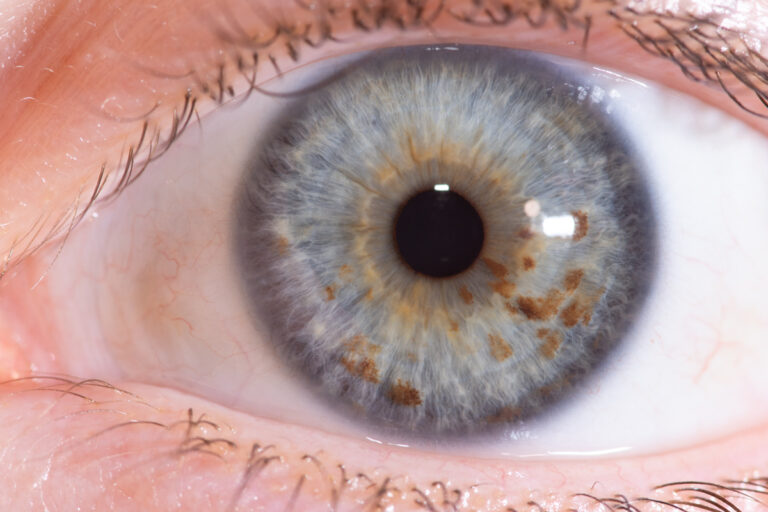
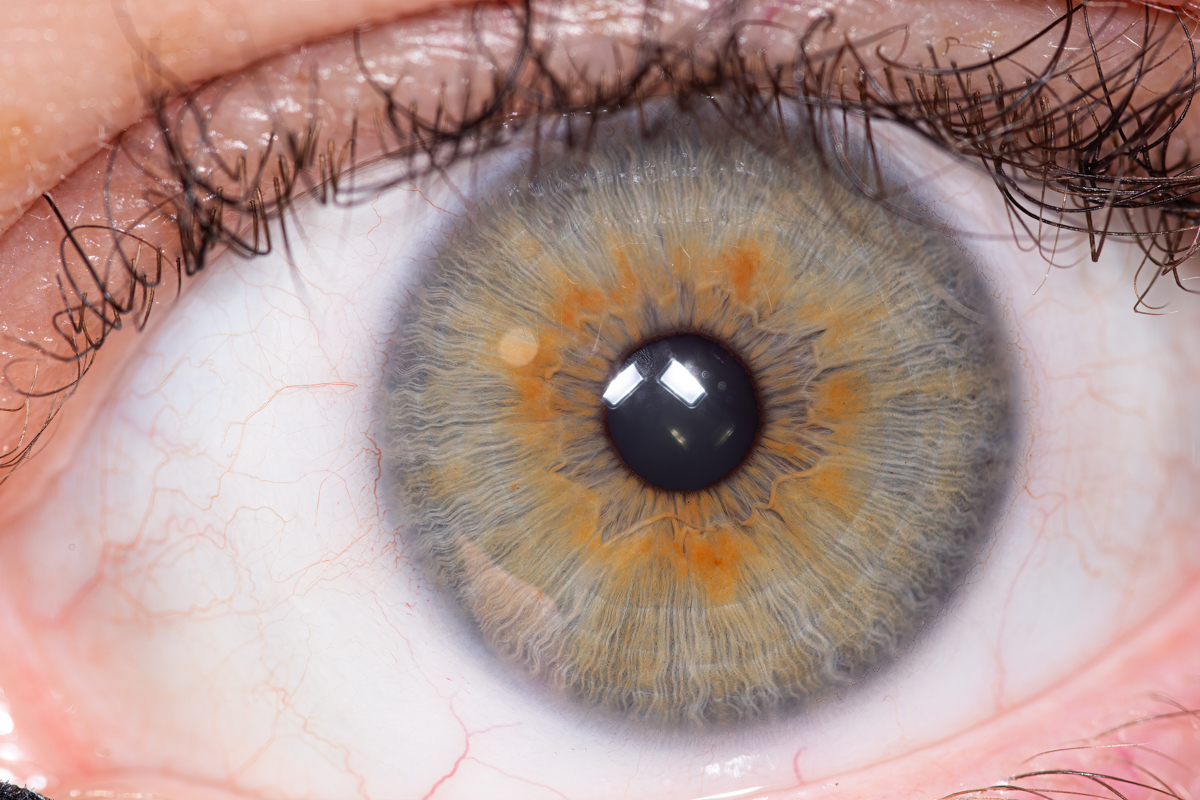
Iridology (also known as iridodiagnosis[1] or iridiagnosis[2]) is an alternative medicine technique that dates back to Egyptian times. Chacteristics of the iris can be examined to determine information about a patient's systemic health. Iridology is the study of the patterns on the iris, the colored part of your eye. The iris is one of the most intricate and fascinating tissue structures in the human body. A person, called an iridologist, looks at a person’s eyes and uses what they see to determine any physical ailments that may be present in the body. More specifically, the practitioner looks at the iris (the colored part of the eye) for any abnormalities in pigmentation. Iridologists believe that a unique feature or pattern in the color of the iris can indicate that a disease or condition may be present. They then determine the type of ailment based on where the feature or abnormality is located on the iris. (This is done using an iridology chart, discussed in the next section).If an oddity is found during the examination, the iridologist informs the individual. From there, they can begin to prepare themselves for the treatment of the condition that is believed to exist. The iris shows a display or mapping of the body systems, indicating balances and imbalances. The process is similar to a computer tracking system with a memory. When specific events occur in one’s life, whether emotional or physical, a corresponding mark, spec or color will appear in the iris. This tracking system begins in the fetus stage in the womb. Hereditary and generational components are reflected thereof.
What Iridology Can Reveal: Iridology and Sclerology:65% of all the nerves go through the brain and reflect in the eyes, there is a total body loop of information that gets represented in the eyes. Your eyes have a magnificent level of detail and high accuracy for showing your vitality, temperament, and health weaknesses and strengths)Discover the origins of illness inherent strengths and weaknesses from genetic origin. Hyperactivity and hypoactivity of the pituitary, thyroid, adrenals, and to what degree.Circulatory issues, anemia, congested arteries where toxins have accumulated: lymphatic system, skin, bowel, lungs and brain. Condition of the digestive tract and how well nutrients are absorbed. Excess acidity in the body and where it is primarily manifesting poor memory function.Acute, subacute and chronic weaknesses in the liver, gallbladder, ovaries, pancreas, stomach and bladder. Iridology is a non-invasive way of reading signals from the body to indicate where health concerns may lie.
-
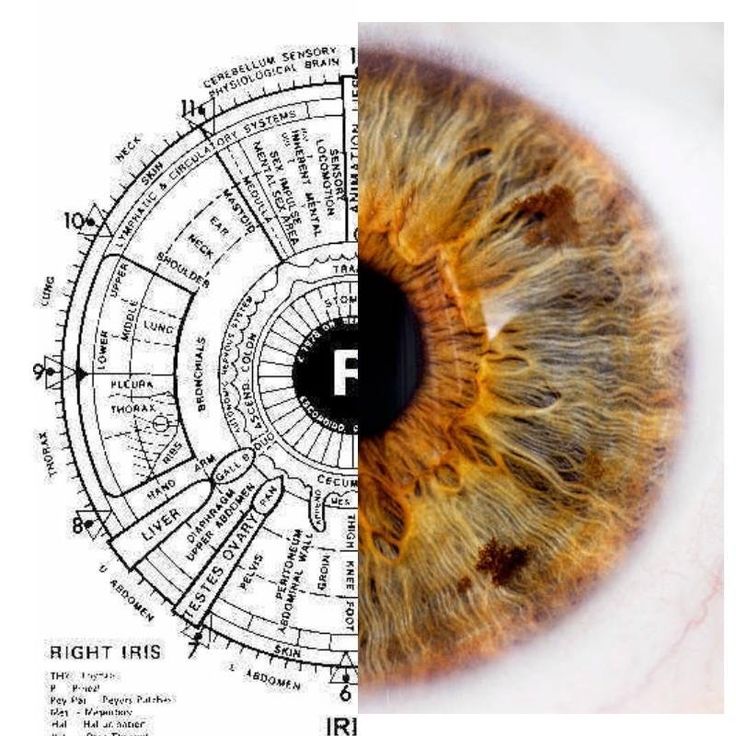
Eyes Reflect the Body
The base color of the iris provides general information about ideal dietary choices & common issues to look out for.It can be blue, brown or mixed. From a scientific standpoint, both the iris and sclera (the white part of your eye) are directly connected to the central nervous system, which makes them remarkably sensitive to what’s happening inside your body.
-
Analyzing the Iris
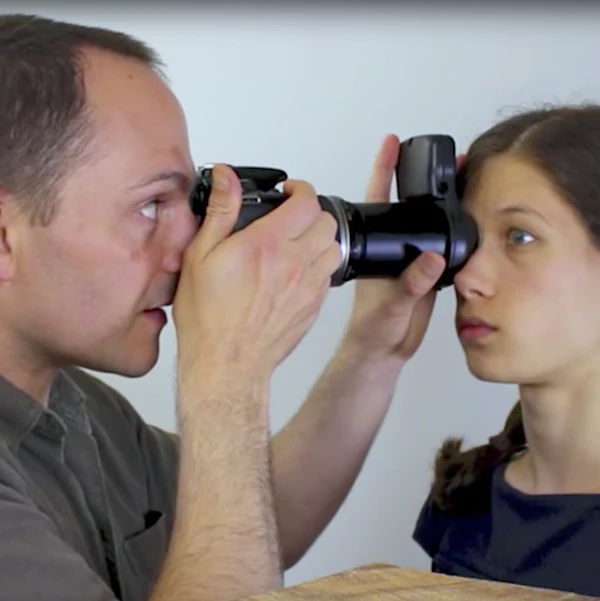
Using a specialized microscope to view the patient’s iris up close. We will examine the colors, patterns, and textures of the iris to identify potential health issues. Modern iridology has evolved significantly since its inception, incorporating advanced imaging technology and standardized analysis methods. Today we use digital iriscopes and sophisticated software to capture high-resolution images of the iris and identify subtle patterns that may indicate health imbalances.
-

Patient Consultation
After an iridology session, we provide a detailed explanation of the findings based on the analysis of the iris patterns, colors, and markings, which are believed to correspond to different organs and systems in the body. This assessment highlights areas of potential health strengths, weaknesses, stress, or imbalance, such as digestive health, nervous system stability, detoxification ability, or circulatory function. Clients usually receive a copy of the iris photographs and a report for future reference.
Every color and pattern tells a story about your well-being
There are no two irises exactly alike. In fact, each iris is as individual as your fingerprint. This fact has seen security companies utilizing equipment developed for personal identification through the eye (Biometrics). The colour and pattern of the iris fibres will determine underlying inherent weakness, which may or may not be activated according to diet, environment and psycho-social factors.